
The Allure of Chance and Uncertainty
The thrill of gambling often stems from the unpredictable nature of chance. The uncertainty surrounding outcomes creates a powerful psychological draw for individuals. Players are frequently motivated by the possibility of winning big, which can lead to a rush of adrenaline. This rush can become addictive; individuals may find themselves returning to the games not just for the potential financial reward, but for the emotional highs associated with winning, which enhance their overall experience. For those interested in trying their luck, online casino nz offers various games that promise excitement and unpredictability.
Moreover, the psychology of uncertainty can manifest in various forms, such as the “near miss” phenomenon, where players almost win. These moments can reinforce participation, creating a perception of being close to success. The brain releases dopamine, a neurotransmitter that plays a key role in reward and pleasure, making players feel good about their experience despite not actually winning. This can lead to a cycle of repeated play, as the anticipation of potential victory keeps players engaged. The brain’s response to these anticipatory moments can be as exhilarating as the win itself, further emphasizing the psychological complexity of gambling.
Additionally, the concept of randomness plays a significant role in attracting individuals to casino games. Many players believe they can develop strategies to overcome the odds, which fosters a sense of control and engagement. This search for a winning strategy can cloud judgment, leading to continued play even when the odds are not in their favor. The allure of being able to “beat the system” not only enhances the excitement but also creates a narrative that players can tell themselves about their gambling journey. Understanding this psychological dynamic is crucial for both players and casino operators alike, as it underlines the emotional connections people form with gaming experiences and the potential for both positive and negative outcomes.
The Role of Environment in Gaming Experiences
The design of casino spaces is meticulously crafted to influence player behavior. From the layout to the lighting and sounds, casinos create an immersive environment that stimulates the senses. The absence of clocks and windows is intentional, allowing players to lose track of time and remain engaged longer. Bright lights and vibrant colors are employed to create a festive atmosphere, all contributing to a heightened emotional state conducive to gambling. This carefully curated environment not only attracts players but also maintains their focus, ensuring that they remain immersed in the gaming experience.
The sounds associated with gaming, such as the ringing of coins or the cheers of winners, also play an integral role in the psychological experience. These auditory cues can evoke feelings of excitement and anticipation, creating a feedback loop that encourages continued play. When players hear these sounds, their brains associate them with success and enjoyment, prompting them to engage more deeply with the games. This careful orchestration of environmental elements maximizes player involvement and enhances the potential for longer gaming sessions, transforming a simple game into a captivating experience.
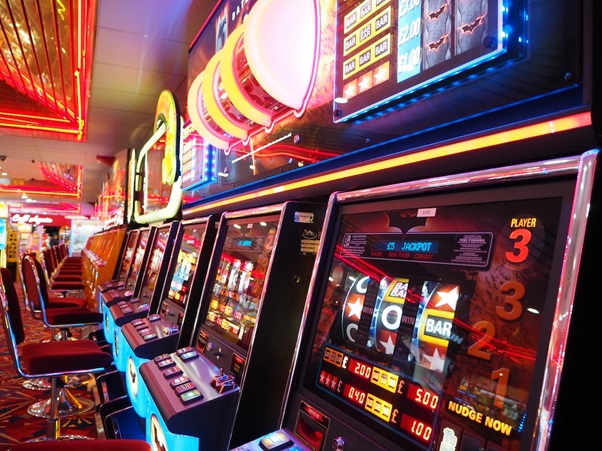
Furthermore, the social aspect of casino games cannot be overlooked. While many games can be played alone, the communal experience of playing alongside others contributes to the enjoyment. Social interactions can serve as a source of motivation and can also mitigate feelings of isolation. For some, the camaraderie formed with fellow gamblers provides an added layer of excitement and a sense of belonging, further complicating their relationship with gaming. The blend of social dynamics and environmental stimulation makes casino gaming a multifaceted experience that appeals to both the individual and the collective, enhancing the overall allure of the gambling environment.
Cognitive Biases and Decision Making
Cognitive biases play a crucial role in how players approach casino games. One prevalent bias is the illusion of control, where individuals believe they can influence random outcomes through skill or strategy. This belief can lead players to make irrational decisions, such as chasing losses or increasing their bets after a win. Understanding this bias allows players to reflect on their decision-making processes, potentially leading to healthier gambling habits. The sense of control can provide comfort, but it also blinds players to the reality of chance, making informed decision-making more challenging.
Another cognitive bias that significantly influences players is the gambler’s fallacy, which is the mistaken belief that past events can affect the probability of future outcomes in random games. For example, a player may think that a slot machine that hasn’t paid out recently is “due” for a win, prompting them to continue playing in hopes of a big payout. This fallacy reinforces the cycle of gambling, as players often attribute their experiences to patterns that do not exist in truly random games. Recognizing these biases can empower players to make more rational choices and break free from the psychological traps that lead to excessive gambling.
Additionally, the role of cognitive dissonance can impact players’ choices as they justify their gambling behavior. After a loss, individuals may convince themselves that they will win back their money, creating a rationalization for continued play. This mental struggle can lead to destructive behaviors, but understanding these biases can empower individuals to take control of their gambling experiences. By recognizing these psychological patterns, players can make more informed decisions and mitigate the risks associated with gaming. Ultimately, awareness and education about cognitive biases can help players navigate the complexities of their gambling experiences more effectively.
How Gambling Affects Emotional Well-being
The emotional impact of gambling is profound and multifaceted. For many, the thrill of gambling provides an escape from daily stresses, offering a brief respite from reality. The highs associated with winning can bring joy and elation, while losses can lead to feelings of disappointment and despair. This emotional rollercoaster can significantly influence an individual’s mental health, leading to potential addiction and other psychological issues if not managed appropriately. The transient nature of these emotions can create an unstable psychological landscape for individuals who gamble frequently.

Additionally, gambling can serve as a coping mechanism for underlying emotional struggles. Some individuals may turn to gaming as a way to deal with anxiety, depression, or other life challenges. While this may provide temporary relief, it can lead to a cycle of dependency, where individuals rely on gambling to manage their emotions rather than addressing the root causes of their distress. This highlights the importance of understanding one’s emotional triggers and seeking healthier coping mechanisms. Recognizing when gambling is a form of escapism can be crucial for mental health and overall well-being.
The social implications of gambling further complicate its emotional impact. While some find support and community within gaming environments, others may experience isolation, especially when gambling leads to financial and personal difficulties. Striking a balance between enjoyment and emotional health is paramount, and recognizing when gaming transitions from a leisure activity to a harmful habit is crucial for long-term well-being. Establishing healthy boundaries and fostering supportive relationships can help mitigate the negative emotional consequences of gambling, allowing individuals to enjoy gaming without compromising their mental health.
Understanding Responsible Gaming Practices
As the allure of casino games continues to attract individuals, understanding responsible gaming practices becomes increasingly vital. Responsible gaming is not only about knowing when to stop but also involves setting limits on time and money spent. Many casinos now provide tools and resources for players to help them maintain control over their gaming habits, promoting a healthier relationship with gambling. This proactive approach includes educating players about the risks associated with excessive gambling and encouraging them to be mindful of their behavior.
This includes self-exclusion programs, which allow individuals to voluntarily take a break from gaming activities. Additionally, many establishments offer information on responsible gambling practices, assisting players in understanding the risks associated with their decisions. Education plays a key role in ensuring that players recognize the signs of problematic gambling behavior, helping them make informed choices. By promoting awareness and encouraging communication about gambling habits, casinos can help players navigate their experiences more safely.
Ultimately, fostering a culture of responsible gaming can benefit both players and casinos. By encouraging transparency and support, casinos can create an environment where individuals can enjoy gaming without falling into harmful patterns. Understanding the psychology behind casino games is essential in promoting responsible gambling practices that prioritize player well-being while still allowing for enjoyable experiences. A commitment to responsible gaming not only enhances the player experience but also contributes to a healthier gambling environment overall, making it a win-win for all involved.